
Diving into Imposter Syndrome with Jammal Lee
Shifting your perspective and strategizing for success

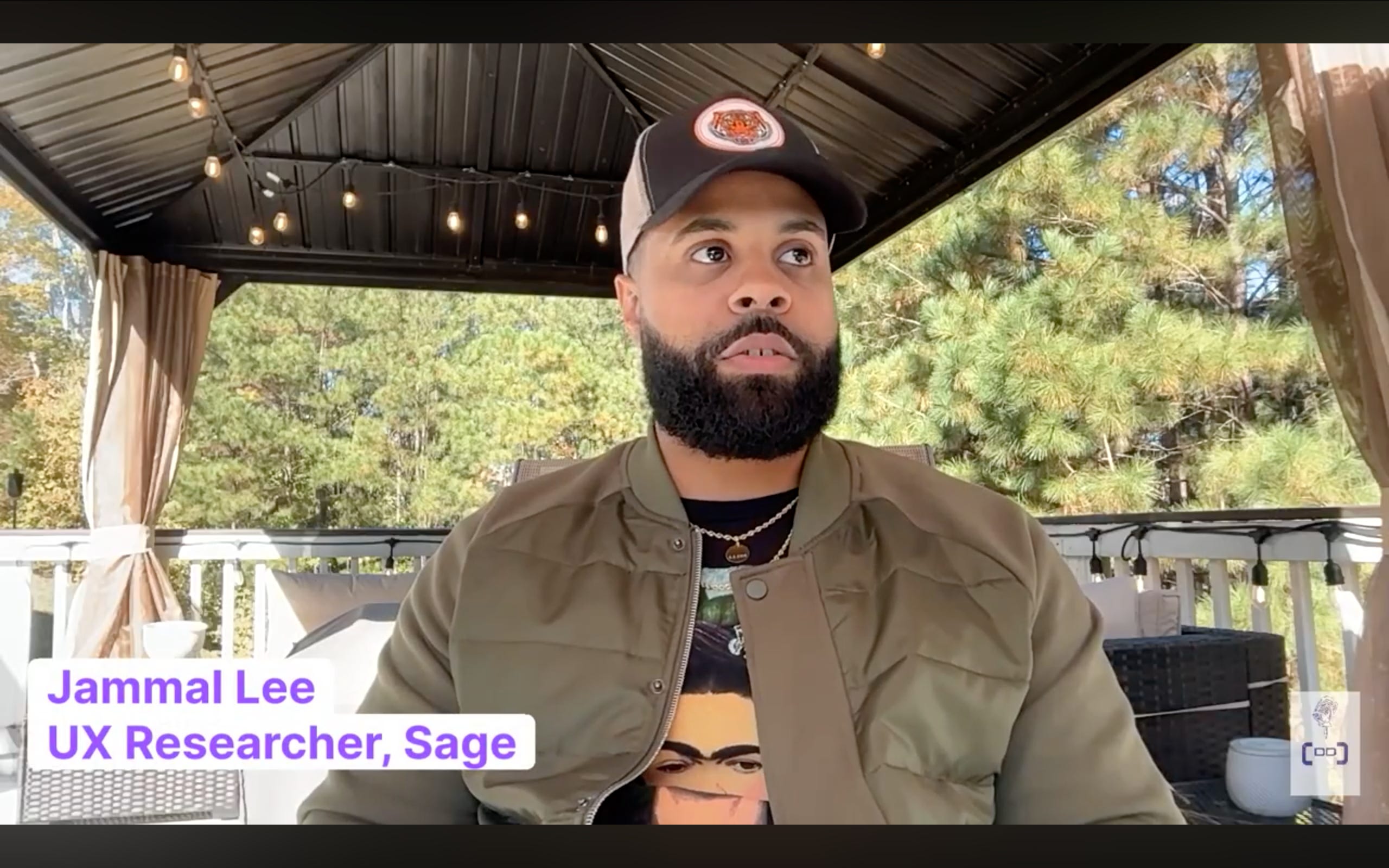
In the episode titled Conquering Imposter Syndrome: A Journey of Self-Acceptance of the Define Design podcast, I have an insightful conversation with UX Researcher and motivational speaker Jammal Lee. Together, we delve into the complex aspects of imposter syndrome.
Interestingly, our viewpoints on this topic differed significantly, which made for a more dynamic conversation. We investigated the ways in which imposter syndrome affects both professional identity and personal growth.
Our dialogue highlights the crucial role of mentorship and community support as vital resources for overcoming feelings of inadequacy, especially during challenging career transitions such as layoffs.
Understanding Imposter Syndrome in the Workplace
Imposter syndrome is a psychological pattern where individuals doubt their accomplishments and have an internalized fear of being exposed as a “fraud,” despite evident success.
In the workplace, this can manifest as a chronic sense of self-doubt, leading individuals to question their abilities and the validity of their achievements. During periods of career stagnancy, these feelings can be exacerbated, as the lack of progress may reinforce the belief that one’s past successes were mere flukes.
This mindset often prevents individuals from seizing new opportunities or taking on challenges that could propel their careers forward, as they might fear they are not truly capable or deserving.
The constant need for external validation can become crippling, causing professionals to overwork themselves to prove their worth, often at the expense of their mental and physical well-being.
During layoffs, the impact of imposter syndrome can be particularly devastating. Losing a job can feel like confirmation of their deepest fears and inadequacies. Individuals may internalize the layoff as a personal failure rather than a consequence of external factors like economic downturns or company restructuring.
This can lead to a cycle of self-blame and further erode self-confidence, making it difficult to rebound and pursue new job opportunities. Additionally, without a supportive community or mentorship to provide perspective and encouragement, the road to recovery can be long and fraught with emotional challenges.
Ultimately, overcoming imposter syndrome requires a conscious effort to build resilience, embrace vulnerability, and recognize one’s inherent worth beyond professional achievements.
Shifting Your Perspective to Believe You Are Capable
Believing in your own capabilities is a transformative shift that can reshape your personal and professional life. When you begin to see yourself as capable, you open the door to countless opportunities and experiences that were previously obscured by doubt and fear.
Embracing Your Journey and Feedback
As noted in a previous episode, “Feedback is a privilege.” If you’ve received any feedback during your career, be sure to hold onto it. I’ve found that organizing this information in a desktop folder can help you remember the impact you have on others, how you tackle challenges, and what unique contributions you bring to the table.
Recognize your past achievements, no matter how minor they may appear. Take time to reflect on the obstacles you’ve faced and the skills you’ve acquired throughout your journey. Documenting these experiences can act as a concrete reminder of your capabilities and growth. Celebrating these successes is essential for fostering a confident mindset.
Reframe Negative Self-Talk
Imposter syndrome often thrives on negative self-talk. Counteract this by consciously reframing these thoughts. Instead of focusing on perceived failures or inadequacies, remind yourself of your strengths and the unique qualities you bring to the table. Replace “I’m not good enough” with “I am learning and growing every day.”
Surround Yourself with Supportive People
During our conversation, I highlighted the advantages of networking in a virtual environment. Creating a network of supportive friends, mentors, and colleagues can offer both encouragement and valuable perspectives. Look for individuals who inspire you and push you to recognize your own potential. Their faith in you can be infectious, aiding you in cultivating a more optimistic view of your abilities.
Embrace Challenges as Opportunities
As I say at the end of every episode “Turn your problems, into opportunities.”
Look at challenges as opportunities for growth rather than obstacles. When faced with a daunting task, approach it with curiosity and an open mind. Understanding that mistakes are part of the learning process can alleviate the fear of failure and encourage a mindset of resilience and adaptability.
During my conversation with Jammal, we delved into the music video for Michael Jackson’s “Billie Jean.” Observing MJ, each step he takes illuminates as if he is perfectly aligned and empowered. He never retreats, and there are no lights shining behind him.
Confronting challenges can resemble this experience, moving forward one step at a time without the urge to look back, as you remain focused on what lies ahead.
Set Realistic Goals
Setting achievable goals can provide a roadmap for success and build confidence as you accomplish each milestone. Break larger, intimidating tasks into smaller, manageable steps. As you complete each one, your sense of capability will grow, reinforcing the belief that you are competent and capable.
Practice Self-Compassion
Be kind to yourself. Acknowledge that everyone has moments of doubt and that imperfection is part of being human. Practicing self-compassion can reduce the harshness of self-judgment and foster a more nurturing internal dialogue.
Engage in Self-Reflection
Regular self-reflection can help you gain insight into your thoughts and behaviors. Journaling or meditating can provide clarity and help you identify patterns or triggers that feed into self-doubt. By becoming more self-aware, you can actively work towards shifting your mindset to one of capability and confidence.
By shifting your perspective to believe you are capable, you empower yourself to pursue your passions and goals with conviction. This mindset not only enhances your professional life but also enriches your personal growth, leading to a more fulfilling and balanced existence.

Embracing Professionalism During a Layoff
I like to view my layoff as a kind of offseason. While my athleticism might be assessed through mental capacity and creativity, isn’t the mind just another muscle? Regardless, athletes take breaks and navigate unusual contracts, so it’s all about how we choose to see it.
In a recent conversation with Jammal, he posed a common question that often comes up in such circumstances:
“What do you do?” While many use this as a casual icebreaker, it can also serve as a painful reminder of your current employment status. Once again, I encourage you to shift your perspective. Instead of fixating on your title or position, concentrate on the skills you bring to the table. Ultimately, you still identify as a designer, manager, or any other role you embody.
The Marathon Continues
Jobs may come and go; that’s just the reality of life. It’s essential to cultivate an identity that extends beyond your professional role. Many of us juggle various identities, such as parents, siblings, friends, tutors, students, and artisans.
This period serves as a reminder that finding meaning outside of our careers can lead to a richer, more fulfilling life. I encourage everyone to embark on their own paths of self-discovery.
By applying these strategies, you can begin to shift your perspective and cultivate a more resilient and confident professional identity. Jammal Lee’s insights serve as a reminder that overcoming imposter syndrome is an ongoing journey, but one that is entirely achievable with intentional effort and support.
Check out my conversation with Jammal Lee Listen here | Watch here | iHeartRadio